Protecting a site from drones requires more than showing that an interceptor can fly. The full service must distinguish an event that needs action from ordinary activity, apply the authorized response and leave people with a clear account of what happened. A product launch is a starting point for examining that chain.
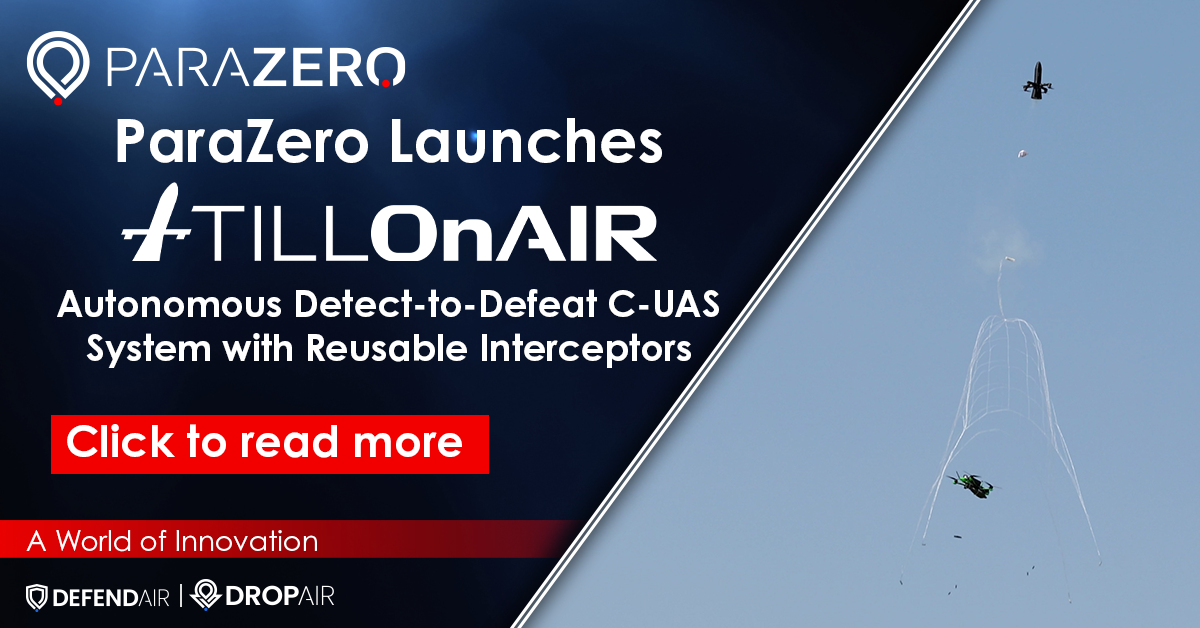
ParaZero announced TillOnAIR on October 26 as an available counter-drone product combining ground-based guidance and reusable net interception. The company plans demonstrations in November. Its release describes intended autonomous operation, but it does not provide an independent evaluation of site protection or a representative false-alarm record. Read the original announcement.
Demonstrations need a stated boundary
A useful public demonstration should identify its conditions and the part of the workflow being shown. A successful interception can establish that a particular sequence occurred. It cannot, by itself, establish performance across unfamiliar objects, weather, site layouts or operating permissions.
The distinction matters for any system marketed as autonomous. Customers still have to determine who authorizes operation, who can stop it and how an unexpected event is handled. These are governance and acceptance questions. They do not require treating a supplier’s description of automation as evidence that the system has already been approved for every proposed location.
Reuse changes the accounting, not the need for evidence
Reusable equipment can shift expenditure from replacement hardware toward inspection, maintenance and consumables. An economic comparison should include that whole cycle, along with training, supervision and downtime. A statement that a platform can return for another use does not establish a measured cost per successful protective outcome.
For a buyer, the immediate step is a controlled evaluation with a documented configuration and applicable operating authority. The evaluation can distinguish detections, decisions, interventions and completed recoveries. Keeping those stages separate helps explain whether a problem belongs to sensing, authorization, equipment availability or the response itself.
A customer needs more than the successful sequence
An illustrative acceptance record could begin with the number of operating periods observed and identify which periods were usable for evaluation. It would then separate events correctly identified, events incorrectly classified, occasions requiring human intervention and periods when equipment was unavailable. Those are proposed reporting categories, not results supplied by ParaZero. Their purpose is to keep an attractive demonstration from becoming the only denominator in a performance claim.
The record should also distinguish preparation time from the time during which a site receives the intended service. Equipment inspection, resetting, maintenance and an operator’s readiness can all sit outside a short filmed sequence. A buyer comparing alternatives needs the same accounting boundary for each. Otherwise, a lower hardware cost may be compared with another supplier’s fuller service cost.
A non-explosive mechanism does not remove the need to assess consequences at the particular site. The receiving organization still needs an authorized operating process, an incident record and a route for reporting unexpected behavior. The relevant approval cannot be inferred from the product’s availability for purchase or its presence at an industry exhibition. Those milestones concern market availability and presentation, while permission and acceptance concern the intended use.
A useful next release would therefore pair a demonstration with a plain account of what it does and does not establish. It could identify the evaluated configuration, the responsible organization and the conditions under which the result was obtained. Independent or customer-supported observations would add weight. A more dramatic video without those details would be less useful for deciding whether the system addresses a buyer’s actual requirement.
The release places the product within ParaZero’s existing DefendAir family. That relationship identifies the supplier’s product strategy, but it should not be treated as inheritance of every approval or test result from another family member. A buyer needs the record for the named system and configuration it intends to acquire, including the support arrangements that apply to that purchase.
What to watch in November
The planned demonstrations could make the launch easier to assess if they produce clear records of conditions, limits and operator responsibilities. Wider significance would follow from repeatable results and a support model that customers can sustain. Until those records are available, TillOnAIR is a newly announced product whose claimed operating benefits remain supplier claims.
Source organization: ParaZero Technologies.
This analysis draws on the public sources linked in the text. Send corrections to [email protected].