A fighter can remain important long after the threat around it changes. Pairing it with an uncrewed aircraft could let the force add functions without replacing the crewed aircraft all at once. France’s drone plan for Rafale F5 follows that logic. The broader question is whether two evolving platforms can deliver a coherent mission together, with software, sensors and human authority aligned rather than progressing on separate calendars.
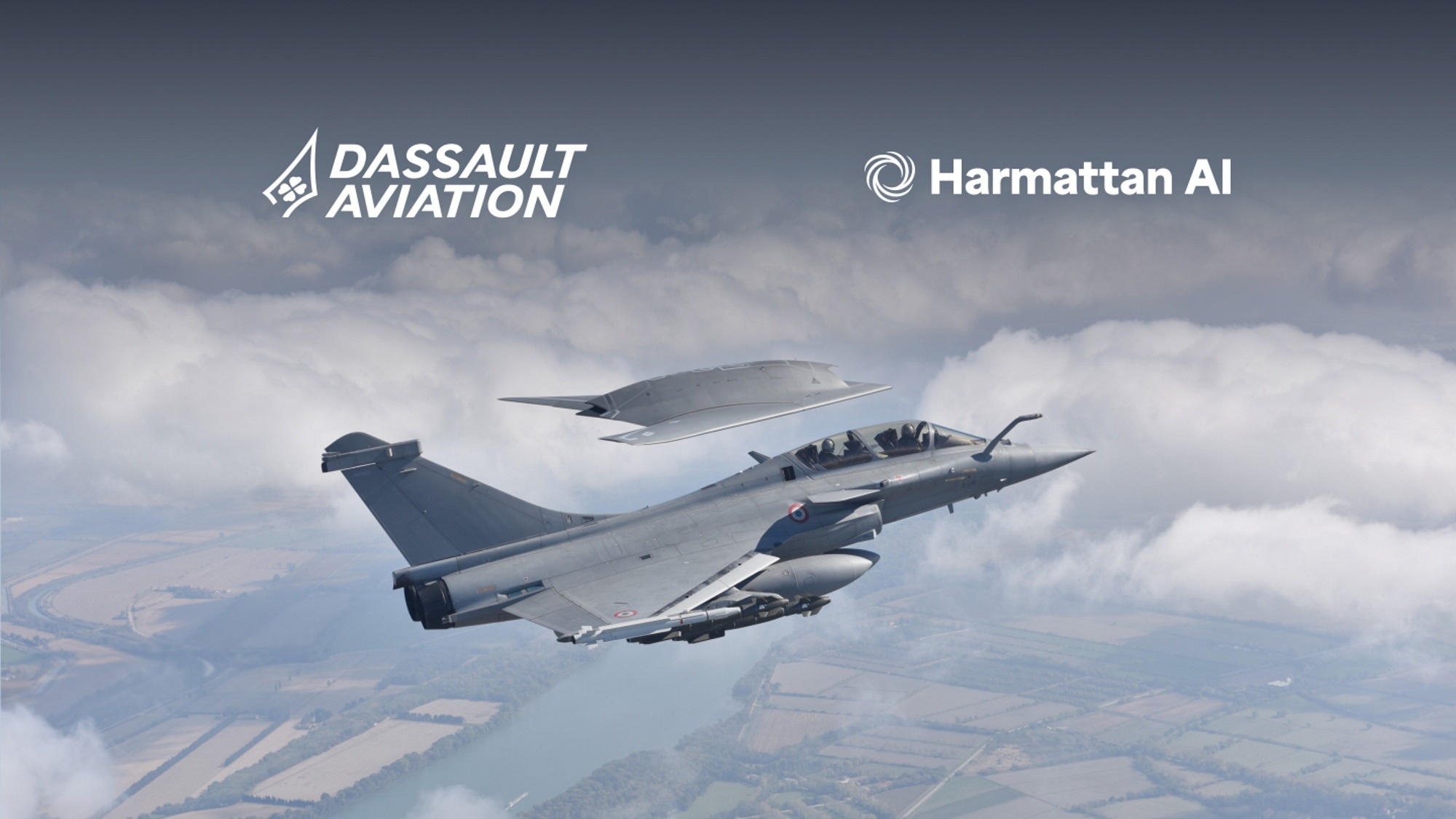
Dassault’s October 2024 published source account reports the launch of development for an uncrewed combat aircraft intended to complement Rafale F5 after 2030. Its published source Rafale evolution page describes the planned relationship between that standard and the drone. These are development commitments and future integration plans. They do not establish a current operational pair or supply an independently measured account of autonomous missions performed by the future system.
Complementarity needs a defined division of work
A supporting drone could carry a function into a place or condition where using another crewed aircraft is less attractive. The useful division is specific: what the drone observes or executes, what the Rafale pilot decides and what information connects them. The aircraft’s label does not answer those questions. A customer needs the mission relationship before it can judge what capability the pairing adds.
Our assessment is that the pair should be evaluated as a system while keeping each platform’s responsibilities visible. A fighter might receive information from the drone, authorize an action or rely on its position as part of a larger plan. A delay or incorrect status can therefore matter even if both aircraft fly safely. The joint test must examine handoffs and decisions, not simply demonstrate two aircraft sharing airspace.
The long development interval creates a software problem
An aircraft planned for the next decade will encounter changes in sensors, computing and threats before and after it enters service. The integration needs a way to absorb those changes without invalidating the pilot’s understanding or making each update a redesign of both platforms. Defined interfaces help, but updates still require evidence that the supported mission behavior remains the same or that changed limits have been communicated.
A hypothetical task handoff illustrates the issue. The drone reports a contact and the fighter asks it to change position for another observation. This is a proposed future acceptance scenario, not a claimed Rafale F5 demonstration. The test should show how uncertainty travels with the report and what happens if the command arrives late. That would connect autonomy software to the pilot’s actual decision process.
Sovereignty includes the ability to maintain confidence
A national development path can preserve control over sensitive functions. It does not automatically settle the allocation of data rights, test access or responsibilities among suppliers. The force needs to know who can investigate an unexpected behavior and approve a correction. A sovereign system is more useful when the customer can sustain its evidence and integration, rather than merely own the platform name.
The dated announcement should remain separate from the October 2026 analysis date. Its planned after-2030 contribution is intentionally presented as a future goal. The next useful evidence would specify the early mission roles, prototype configuration and test sequence. That would let observers assess progress without treating the passage of time or a refined concept image as proof that the joint capability has already matured.
A paired program needs a compatible update path
Developing a fighter standard and its companion drone together could make the interfaces part of the initial design instead of a later retrofit. The planning advantage is that tasking, information sharing and support responsibilities can be considered as a pair. The risk is coupling: if one part of the program changes its schedule or mission requirements, the other may have to adjust. A customer needs to know which functions depend on the paired capability and which remain useful independently.
The pairing also creates a long-term update question. Sensors, communications and mission software can change at different speeds on the two aircraft. A workable plan would preserve compatible configurations without forcing every improvement to wait for the same release. These are program implications rather than additional results reported in the launch account. The Rafale F5 drone’s bigger-picture significance is a planned change in how a national air force assembles capability around a crewed fighter. The payoff would be a combination that adds options pilots can use under clear command arrangements, with integration treated as a continuing responsibility rather than a one-time connection between two airframes.
What would change the assessment
Track prototype and mission-interface results; the after-2030 goal is not a present operational capability.
The wider impact
The wider consequence could be a way to evolve a crewed air force through complementary uncrewed capability. The payoff belongs to the combined mission, not either aircraft in isolation. Rafale F5’s drone plan will be convincing when France can show how the pair shares work, preserves judgment and continues to adapt over its service life.
This analysis draws on the public sources linked in the text. Send corrections to [email protected].