A military unit can lose a useful drone when its link to the operator disappears. Buying a completely different aircraft to solve that problem can leave existing equipment behind. DARPA’s REMA approach explores adding autonomy to drones already available. Its larger significance is the prospect of upgrading a broad inventory, but the key question is what authority the added software has when the person can no longer direct it.
DARPA’s February 2024 published source announcement describes continuing a predefined mission after loss of connection and rapid development cycles. The published source program description separates a drone-autonomy adapter interface from mission-specific software. Those sources establish the architecture and research aim. They do not certify that every commercial drone can accept the subsystem or that every mission should continue after a link failure. The predefined boundary is central to reading the proposal accurately.
The adapter connects two sets of assumptions
An adapter translates between the original aircraft’s controls and a new autonomy system. It needs to know which commands the aircraft accepts, what status the aircraft reports and when the added system should take control. The physical connection is only part of the task. A successful retrofit must preserve the aircraft’s safe operating limits and make clear what the operator can expect when communication fails.
Our assessment is that the adapter is a safety and responsibility boundary in its own right. If it misinterprets a battery state or a mode change, mission software can make a sensible decision on the wrong information. Conversely, good aircraft control cannot make an unsuitable mission plan safe. Testing should isolate faults on each side and then test the complete path, so a failure is not attributed vaguely to autonomy without identifying where it began.
Continuing is only one possible good outcome
A predefined mission may remain appropriate after a lost link, or circumstances may make it obsolete. The aircraft needs explicit limits on time, location and task, including the conditions under which it stops, returns or waits. These are proposed acceptance requirements, not published REMA performance results. An evaluation that counts every completed route as success would miss the possibility that declining to continue was the correct behavior.
Consider an observation flight whose permitted area is narrowed while the drone is disconnected. That hypothetical exposes a limit that software cannot resolve by confidence alone: it may not know that the instruction changed. The plan must define what happens when essential information becomes stale. A buyer needs those limitations before assigning the role, rather than treat link independence as independence from every external assumption.
Rapid development needs a stable evidence record
The program’s fast cycles aim to keep pace with changing countermeasures. A cycle can produce a useful improvement without validating every previous combination of aircraft and mission software. Each release should identify the supported adapter, aircraft configuration and tested loss-of-link behaviors. That record would let an operator know whether an update expands capability, fixes a fault or changes a fallback that the unit previously relied on.
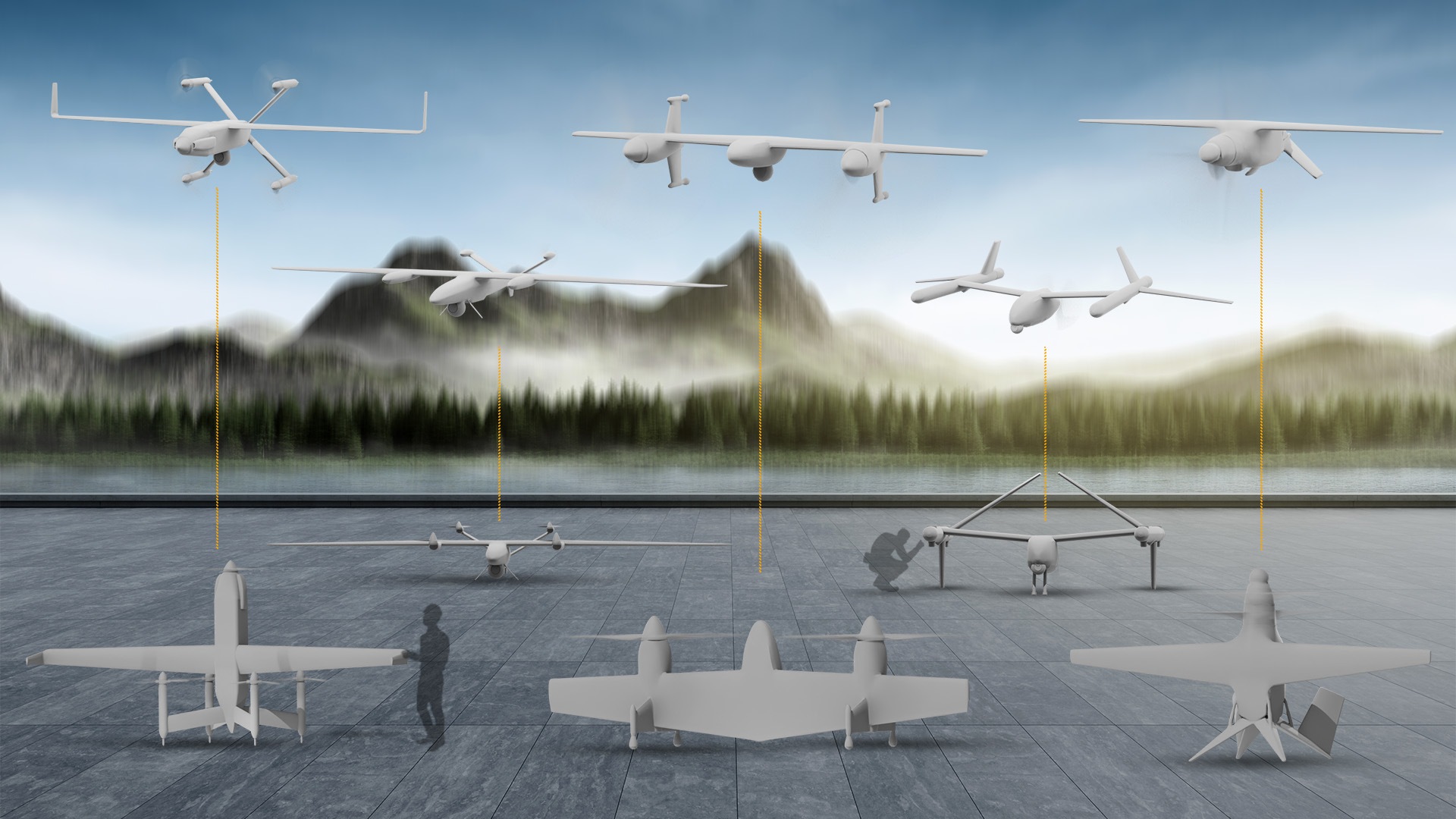
A platform-independent ambition can be valuable even when implementation remains platform-specific. Standard interfaces could make it easier to introduce another supplier or retain a working aircraft as software improves. The public accounts reviewed here do not supply that conformance evidence. A useful next demonstration would show the same bounded task on named different aircraft, including interrupted links, invalid commands and safe recovery from an adapter fault.
A failed mission needs an identifiable cause
An adapter also changes who must diagnose a failed mission. The original drone supplier understands the aircraft’s controls; the mission-software developer understands the added plan; the unit sees the complete outcome. A useful record must connect those perspectives. If an aircraft stops, the operator should be able to distinguish a deliberate boundary from a command the adapter failed to pass. Otherwise the same outward behavior could be reported as either a successful safe response or a technical failure.
The procurement attraction is that a bounded capability might be introduced without discarding useful airframes. But preserving the hardware investment is only one part of preserving flexibility. The government also needs enough interface information to change the mission software or aircraft supplier later. REMA’s larger significance is an attempt to make autonomy an addable capability with understandable limits, rather than an inseparable feature of one drone. The outcome worth watching is a supported upgrade path across named configurations, with evidence of both mission continuation and appropriate restraint when the original plan can no longer be justified.
What would change the assessment
Request aircraft-and-release-specific fallback evidence; the research aim is not universal compatibility.
The wider impact
REMA’s broader opportunity is to make existing drones more resilient without discarding the fleet. That requires more than allowing a flight to continue. The upgrade must preserve a mission’s limits and give people a reliable account of what happens beyond the connection, so resilience remains tied to justified human intent.
This analysis draws on the public sources linked in the text. Send corrections to [email protected].