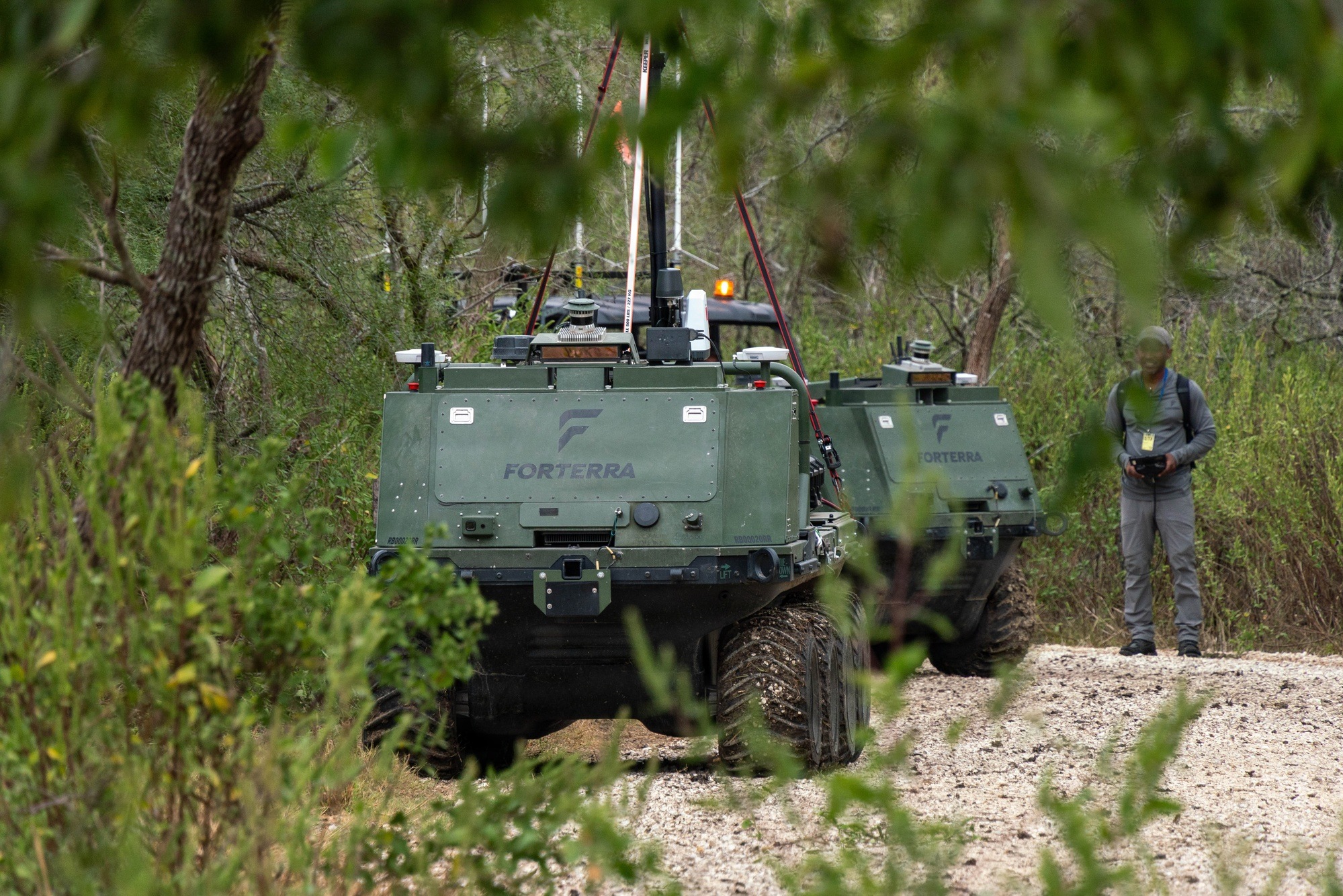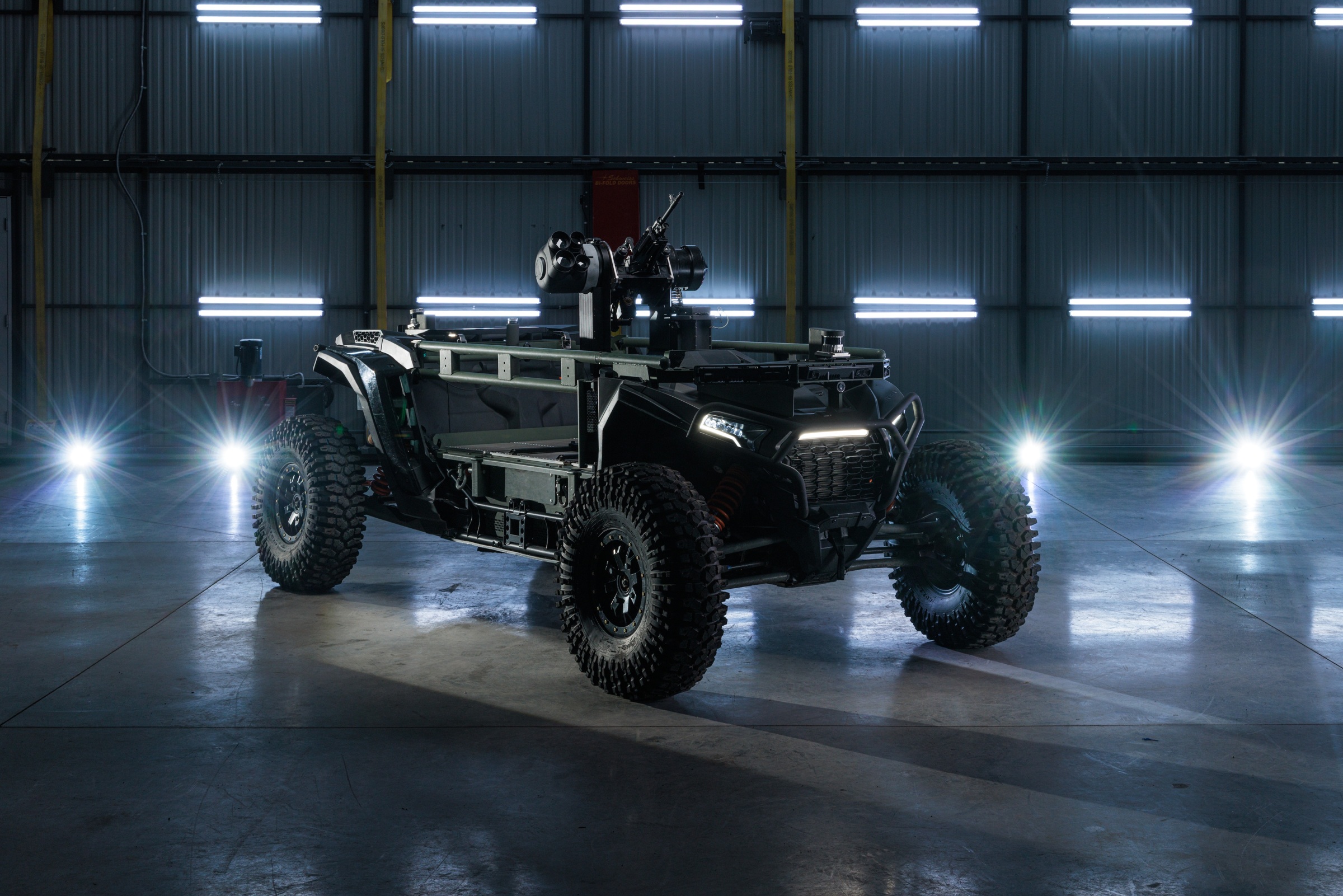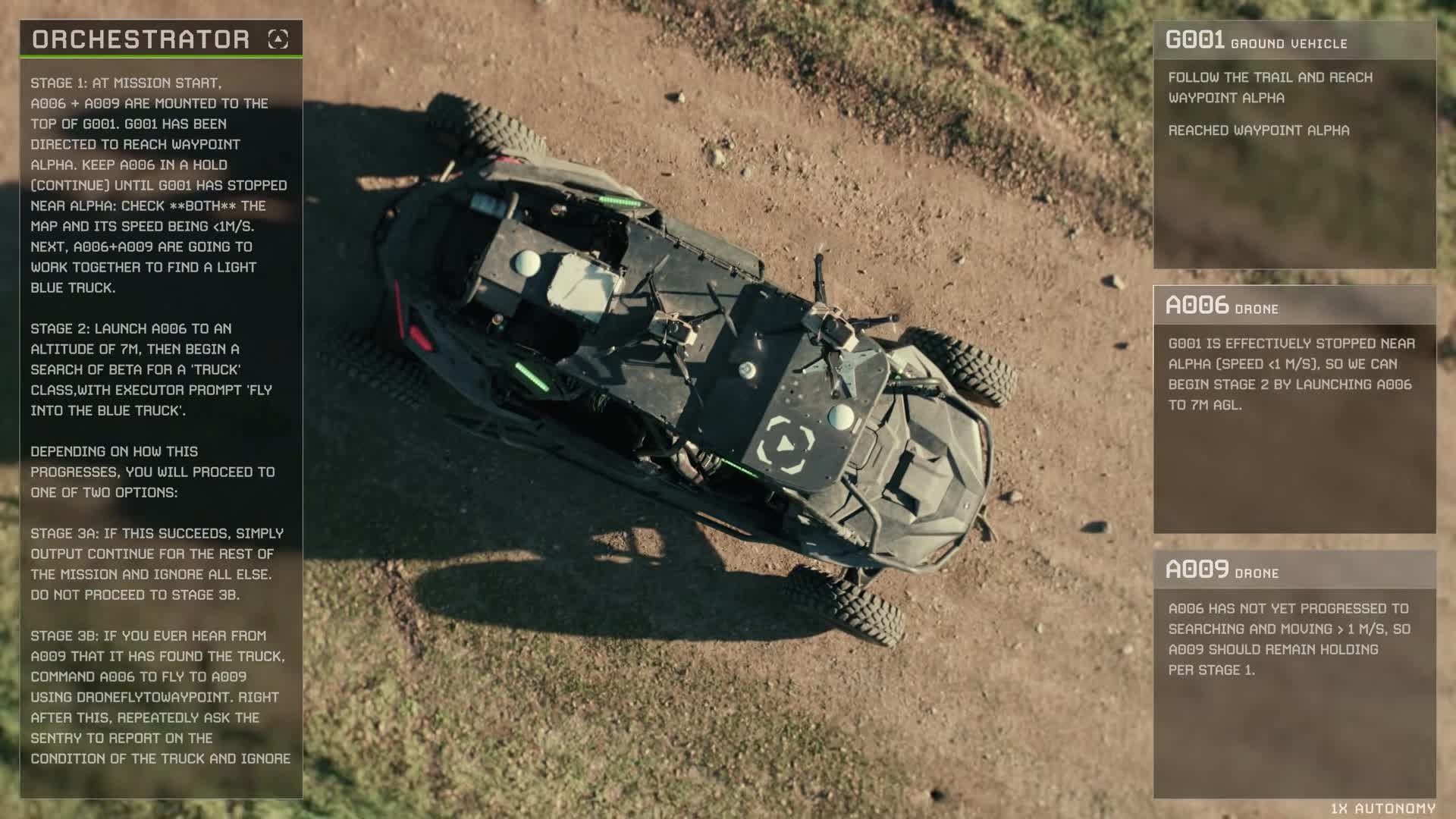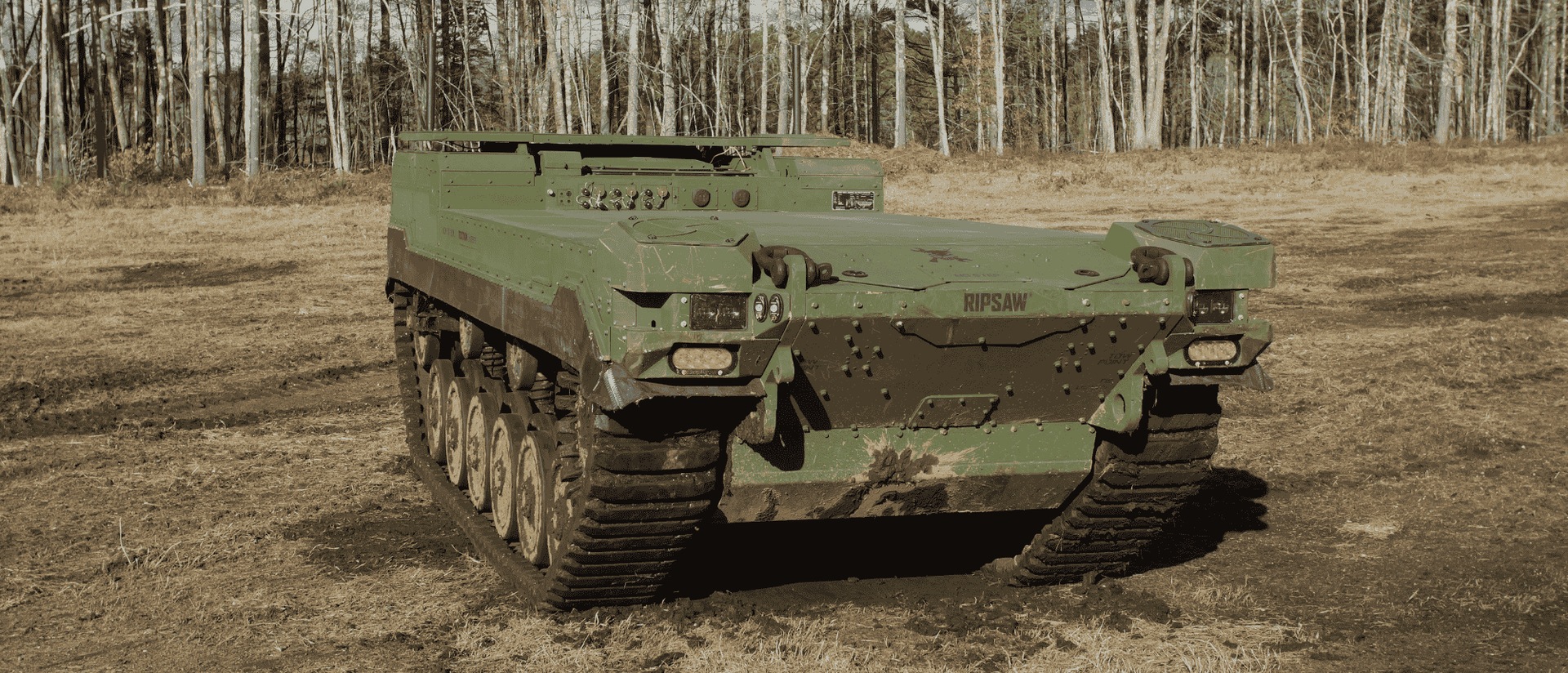
A military robot may need to carry a sensor today and different equipment after its first exercise. The buyer’s freedom to make that change can determine whether the platform remains useful as requirements evolve. Sweden’s RIPSAW M3 purchase therefore matters beyond the export itself. It creates a concrete customer context for testing whether a robotic chassis designed around open interfaces can support new tasks without making every change a bespoke development project.
Textron’s December 2025 announcement identifies Sweden as the first European government customer for RIPSAW M3 and describes a modular open-systems approach. Its June 2024 supporting account feature account explains the platform’s flat-deck and mission-equipment proposition. These are manufacturer statements. They establish a sale and design intent, but do not publish Sweden’s intended mission, an acceptance-test outcome or the cost and time required to integrate equipment chosen by another supplier.
Open means more than room on a deck
A modular open-systems approach aims to make components connect through defined interfaces instead of depending entirely on custom connections. For a ground robot, the interfaces include mounting, power, data and control. A payload can fit physically while lacking access to the information or commands its mission needs. Conversely, a data connection can work while the payload changes visibility, balance or cooling enough to affect the carrier’s movement.
Our assessment is that the useful unit of openness is a documented change a customer can actually make. A procurement office should be able to identify a supported payload category, understand its limits and estimate its integration effort. The word open does not itself establish that the buyer owns the necessary information or can engage another integrator. Contract rights, test access and the availability of technical documentation determine whether the architectural promise becomes a practical option.
Watch the footage
Textron Systems shows a RIPSAW M3 integrated with the Kodiak Driver. This company demonstration explains the integration; it is not the Swedish evaluation or evidence that commercial road miles certify military terrain.
Video: textronsystems · Original source ↗ · Video watch page ↗A national customer brings national requirements
An export customer may need different radios, security arrangements or links to its existing command systems. Those requirements can alter the integration even when the base vehicle is unchanged. The supplier’s sale announcement does not disclose all of those details. Readers should therefore avoid inferring a particular Swedish operational role from the generic product description or from photographs showing an illustrative payload.
A useful acceptance exercise would begin with a defined mission package, then introduce a controlled change from another supplier. This is a proposed test, not a reported Swedish event. The buyer would measure how much engineering work, training and revalidation the change requires. That result would be stronger evidence of modularity than a display of several different possible configurations that have never been compared through the same process.
Flexibility must preserve a valid configuration
Changing equipment also changes the evidence attached to the system. The receiving unit needs to know which combinations are approved, which can be installed by its maintainers and which require an engineering review. Otherwise flexibility can become an accumulation of informal variants. A system that is easy to reconfigure but difficult to document may create confusion about spares, software compatibility and safe operating limits.
The next useful public evidence would be a customer account separating delivery, training, experimentation and operational acceptance. A small purchase can be valuable as a way to learn, even if it does not represent a large fielded force. Treating the export as a testable industrial relationship keeps the focus on what the buyer can do with the machine and how independently it can sustain the result.
Openness changes the next purchasing decision
For a national customer, an open interface also affects bargaining power. If one supplier controls every future change, replacing a radio or adding a sensor may require negotiating a new development effort each time. A documented interface can make that work more contestable. However, competition only helps if another integrator can obtain the necessary information and perform the required verification. A procurement label is less informative than a worked example showing an independently supplied payload installed and supported through an understood process.
Training must follow that process. The same carrier can feel like a different system when a new payload changes its display, operating limits or response to an instruction. Sweden’s purchase provides a setting in which those differences can be learned before a larger commitment. The strategic value of the first export may therefore be knowledge as much as hardware: which interfaces save time, which integration responsibilities remain costly and which tasks justify the platform. A robot that can adapt through a controlled, affordable process offers more durable flexibility than one with many illustrated configurations but no demonstrated route between them.
What would change the assessment
Seek a Swedish acceptance or integration account; the December 2025 sale is a procurement milestone rather than proof of operational modularity.
The wider impact
The wider significance is the chance to make robotic vehicles adaptable over a longer service life. Sweden’s purchase becomes evidence of that advantage when the customer can change and support mission equipment through a predictable process. The durable capability is the ability to evolve a validated system, rather than simply purchase a configurable chassis.
This analysis draws on the public sources linked in the text. Send corrections to [email protected].