Buying maritime observations as a service changes what a navy needs to assess. The customer may avoid owning a vessel while still needing evidence that useful information arrives in time and in a form its personnel can act on. A long operating commitment makes those service boundaries particularly important.
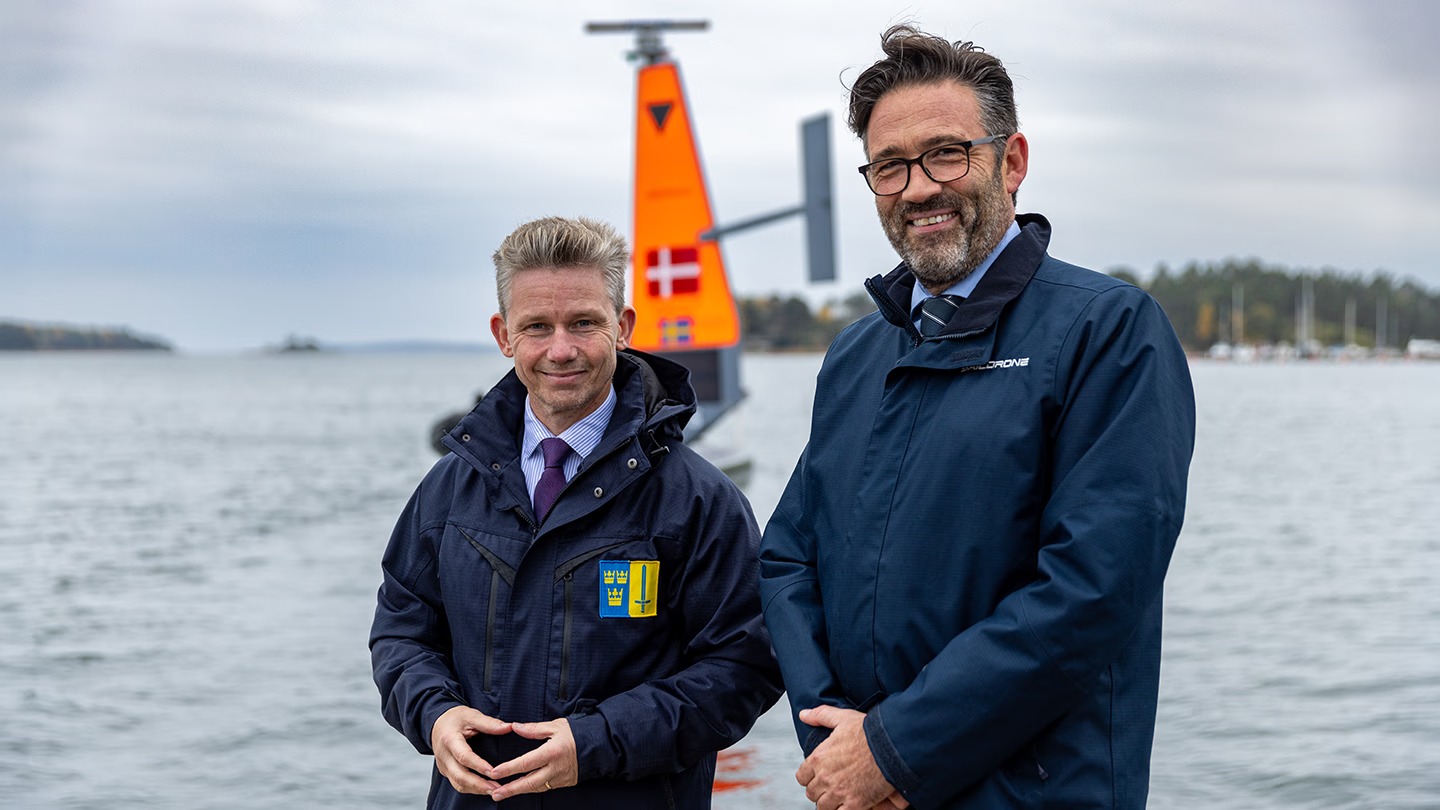
Saildrone’s October 26 announcement describes a Swedish mission with four Voyager uncrewed surface vessels for 360 days each, totaling 1,440 contracted vehicle-days. The arrangement is a managed surveillance service under the NORDEFCO framework. Those figures describe the contracted commitment; they are not a measured count of successful detections or completed responses. Read the original announcement.
Availability and information quality are different measures
A vessel can be available while its observations are incomplete for a particular question. Conversely, a shorter period of well-positioned collection can be useful. An assessment should therefore distinguish platform availability, sensor availability, delivery delay and the usefulness of the resulting information.
The service boundary also needs to identify who handles an uncertain observation. A customer must be able to distinguish what the sensor recorded from what an automated system inferred. Preserving those layers helps an analyst decide whether more information is needed before an operational response.
A year creates an opportunity to test continuity
The immediate benefit of a longer commitment is the opportunity to evaluate changing conditions and maintenance needs rather than only a short demonstration. A useful account would report interruptions, recoveries and the support effort needed to maintain the service. This is a proposed evaluation framework, not a claim about undisclosed contractual terms.
Managed provision can shift work between the supplier and the customer without making the work disappear. Tasking, maintenance, communications, analysis and response still have to be assigned. A transparent service record lets the buyer assess what capacity was added and which responsibilities stayed with its own personnel.
The service record should explain interruptions
Consider an illustrative reporting week in which a vessel remains at sea but one sensor is unavailable for part of the period. Counting only vessel-days would conceal the information gap. Counting only successful observations could conceal the time during which no comparable observation was possible. A customer-facing record can preserve both, allowing personnel to distinguish a quiet environment from missing collection.
Delivery delay requires similar care. The time at which a sensor recorded an event, the time the service delivered it and the time an analyst reviewed it are different timestamps. Keeping them separate lets a receiving team decide whether an observation still answers its question. A service can be useful without making every stage instantaneous, provided its limits are understood.
A long mission also creates repeated handovers between people and organizations. Maintenance staff, remote operators and customer analysts may work on different schedules. A well-defined record can show which team has the next action and whether an uncertain observation has been resolved. These are assessment questions, not a description of undisclosed Swedish procedures or service terms.
The comparison with customer-owned equipment should therefore count work on both sides. Supplier maintenance may remove a burden from the navy while additional analytical work remains with the customer. A transparent account would show that division rather than assume managed service means no internal effort. Such evidence would make the operating model easier to compare with alternative ways of maintaining maritime awareness over the same period.
The announcement also describes Saildrone’s Danish vessel registrations. Flag-state registration and a customer’s service purchase answer different institutional questions. Neither should be used as a shortcut for the other’s performance evidence. Keeping those records distinct makes the operating model easier to understand: a legally identified vessel can still require mission-specific acceptance, and a contracted service still needs an accountable operating organization.
The wider model depends on verifiable delivery
If the mission supplies dependable information without tying up equivalent customer resources, it could strengthen the case for buying persistent surveillance as a service. That result remains conditional on quality and accountable handoffs. The next useful evidence is a customer-supported record connecting contracted operating days to delivered observations, their limitations and their use.
Source organization: Saildrone.
This analysis draws on the public sources linked in the text. Send corrections to [email protected].