Maritime autonomy needs shipyards and support capacity as well as software. Saildrone's agreement with Umoe Mandal addresses that industrial requirement in Europe. We regard regional production as a sensible investment direction, while judging the scale of the opportunity against signed demand and accepted vessels.
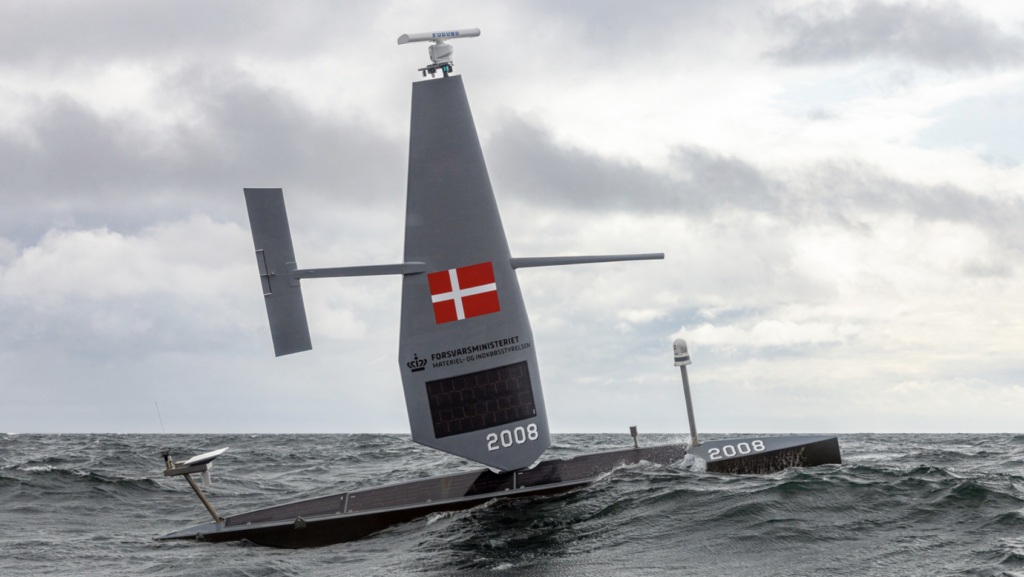
Breaking Defense reported on November 5 that an agreement signed the previous day would give Umoe Mandal the vessel-building role for the 20-metre Surveyor. Saildrone would provide autonomy, electronics and navigation systems. Umoe Mandal's chief executive described a new manufacturing site and said concrete orders were not yet in place. Saildrone had already identified Norwegian Surveyor production in an August European expansion announcement, so the latest agreement develops an existing plan. Read the source account.
What the evidence supports
The practical attraction is a clearer division between building the vessel and supplying its autonomous systems. That can place hull work closer to regional customers. It also creates interfaces that need explicit acceptance criteria. A completed hull, installed electronics and an accepted autonomous vessel represent different stages of progress, with different organizations responsible for resolving defects.
The near-term test
The immediate impact is industrial preparation. Customers gain a more specific picture of where a future Surveyor could be built and how responsibilities might be divided. They have not gained the additional on-water capacity simply because a manufacturing agreement exists. Production planning becomes more persuasive as orders, delivery dates and acceptance requirements are made concrete.
The longer-term case
Over the longer term, regional construction could support an enduring European maritime-autonomy business. Its value would depend on access to maintenance, spares, software support and trained operators throughout the vessel's life. A local hull supply chain can help, but does not by itself settle who controls mission data or how operational support is delivered. Those remain contract and system-design questions.
The production arrangement should be judged through the interfaces a customer will inherit. If a hull problem and a software problem produce similar symptoms during a mission, someone must own the diagnosis and remedy. Contracting for construction and autonomy through different organizations can work well when responsibility is explicit. It becomes harder when an operator has to coordinate the suppliers to restore service. We would therefore look for a clear acceptance and support framework alongside the manufacturing milestones. The announcement describes the intended division of work, but does not publicly resolve those customer-level details.
Capacity also needs to be evaluated over a realistic production sequence. A yard can prepare for a stated rate before the supply chain, workforce and acceptance process have demonstrated that rate together. Buyers should distinguish an available facility from demonstrated throughput and from vehicles accepted for use. Each milestone reduces a different source of uncertainty. The relevant comparison is not simply where a hull is built. It is whether the arrangement produces an acceptable vessel on a dependable schedule, followed by the parts and technical support required to keep it operating.
Regional investment can have value even before a large order arrives, particularly if it shortens the path from customer interest to a supportable contract. But that option has a carrying cost. If demand arrives slowly, unused capacity can put pressure on prices or on further investment. If demand arrives quickly, bottlenecks may move to electronics, acceptance work or support. These are alternative commercial outcomes to monitor, not forecasts about either company. Their importance is that production geography alone cannot establish the economics of sustained autonomous operations.
Our assessment
Our view is that the industrial logic is sound and the demand test is still ahead. The next meaningful milestone is a customer-backed production schedule followed by an accepted vessel. That is the point at which planned capacity starts to become a measurable addition to maritime capability.
Sources and reporting dates
Underlying development date: 2026-11-04. Analysis published November 5, 2026. Company performance claims are attributed to their source; assessments and evaluation criteria are ours.
This analysis draws on the public sources linked in the text. Send corrections to [email protected].