Keeping a sensor at sea for longer can reduce gaps between observations. It does not automatically resolve what happens after something unusual is detected. Maritime surveillance depends on the handoff from a remote observation to a human assessment and, when warranted, an authorized response by another asset.
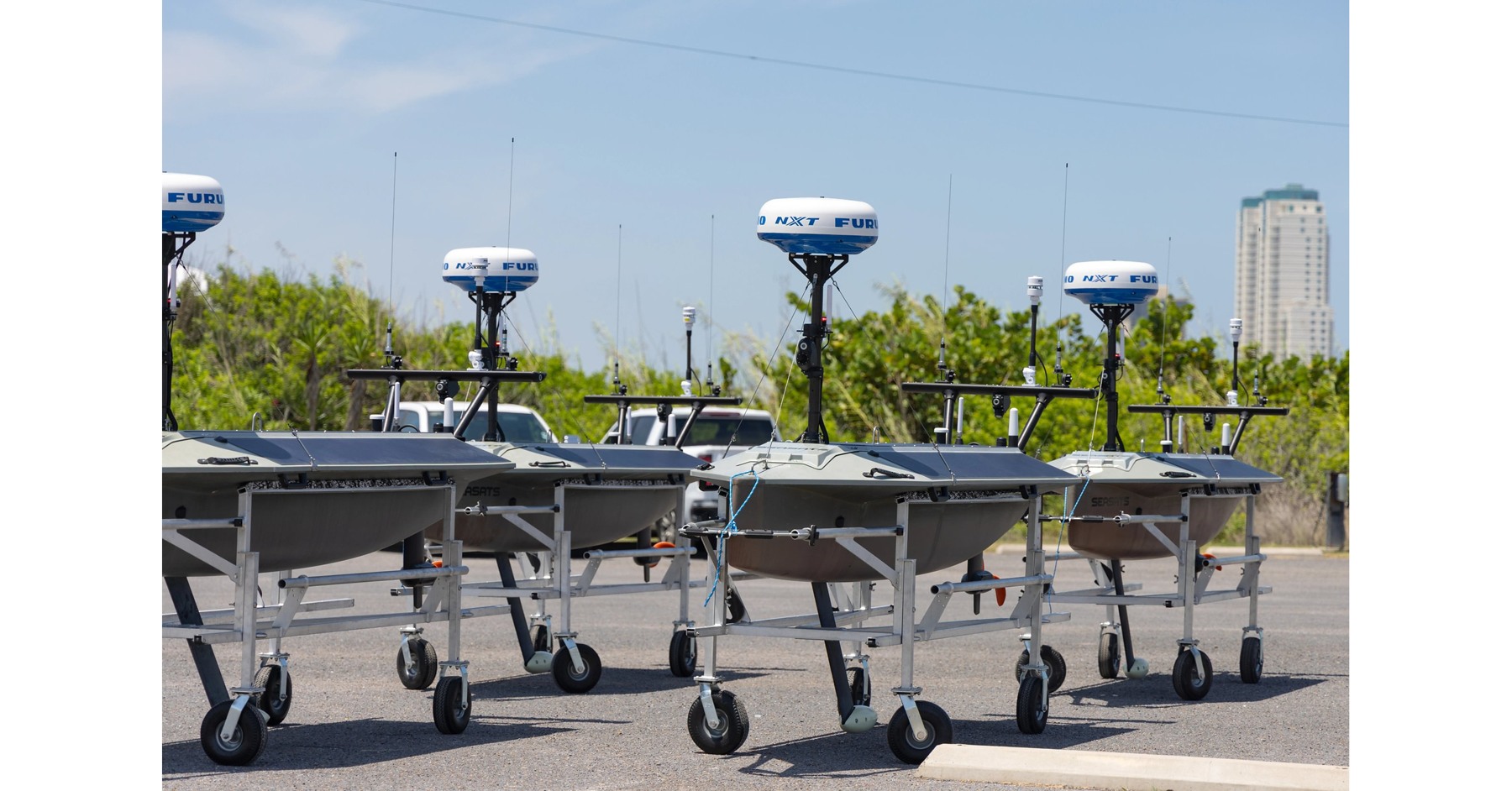
Seasats’ October 2 release says a fleet of Lightfish uncrewed surface vessels was deployed from the Texas coast for U.S. maritime border surveillance, expanding earlier river operations. The company describes solar-powered vessels intended for extended missions and modular sensing payloads. The statement establishes the company’s account of a deployment; it does not publish independently verified coverage rates, detection accuracy or interdiction outcomes. Primary source.
Persistent presence is not continuous certainty
The useful measure is not simply days afloat. A sensor may be present while its view is obstructed, its data link is unavailable or the observation is too ambiguous to classify. Separating those conditions would help an operator understand the difference between nominal patrol coverage and usable information.
Longer missions can also shift work from crews aboard the vessel to personnel ashore. Someone must review alerts, manage interruptions and decide whether another asset is needed. The resulting staffing demand should be measured rather than assumed to disappear when there is no crew on the sensing platform.
The response chain deserves its own evidence
A useful operational review would follow a sample of observations from collection through assessment. It would record how often information was sufficient, how long review took and whether responders received enough context. That approach can reveal bottlenecks that a vessel endurance figure cannot, while avoiding the assumption that every alert represents unlawful activity.
Evaluation should also preserve negative results. Observations that cannot be resolved, planned missions that are interrupted and periods without usable communications all matter when estimating service availability. The appropriate comparison is the combined surveillance and response process with and without the added sensing layer, under comparable conditions.
Avoid confusing an observation with an identification
A small vessel’s report may establish that an object was observed without establishing its purpose or intent. The review process should preserve that distinction. A person examining an alert needs the underlying evidence, its age and any relevant limitations, rather than only a confident label. This is particularly important when the information may influence decisions involving other vessels and their crews.
The evidence chain should also survive interrupted connectivity. A late-arriving observation should remain distinguishable from a current one. Otherwise, an operator could misunderstand the situation simply because a delayed message appears in the same display as live material. The public announcement does not describe these interface details, so they remain sensible questions for evaluation rather than verified capabilities of the deployed fleet.
Coverage claims require an equally careful denominator. A fleet can maintain a persistent presence in a region without observing every part of it at every moment. An assessment should define the area and conditions under consideration, then report periods when useful observations were unavailable. That is more informative than using endurance to imply complete awareness across a much larger maritime space.
The same discipline applies to response outcomes. A successful intervention may rely on several sources and crewed assets, making it inappropriate to attribute the entire result to the new sensing platform. Conversely, a useful observation can contribute value even when no intervention follows. Recording the role of each information source would help establish what persistent USVs add to the existing process without overstating their contribution.
Seasats’ announcement shows an expansion in the setting for its reported operations. The broader proposition is that persistent small vessels can complement crewed resources. The evidence needed next concerns how reliably their observations become useful decisions, with the limits of the sensing and human review process made explicit.
Source and scope
Seasats source announcement, 2026-10-02. Analysis published October 21, 2026. Company claims remain attributed; proposed evaluation criteria are editorial analysis, not independent test results.
What would change the assessment
Seasats’ announcement shows an expansion in the setting for its reported operations. The broader proposition is that persistent small vessels can complement crewed resources. The evidence needed next concerns how reliably their observations become useful decisions, with the limits of the sensing and human review process made explicit.
This analysis draws on the public sources linked in the text. Send corrections to [email protected].