An aerial observation is useful only while the receiving team can understand what it refers to and whether it is still current. Replacing a low-battery aircraft can interrupt that continuity even when each aircraft flies reliably on its own.
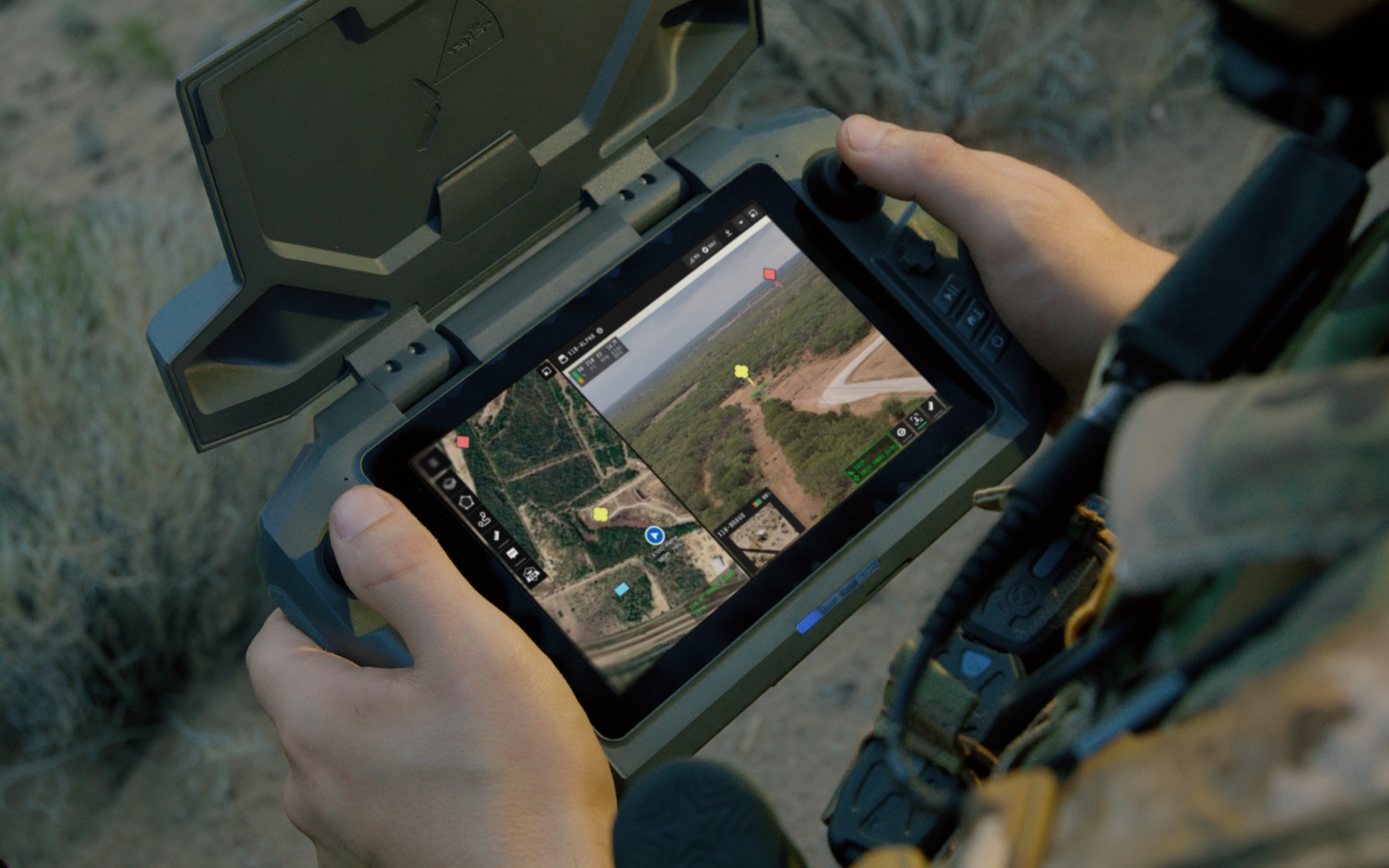
Skydio’s October 13 ISR Command release describes a common controller workflow, integration with TAK, shared markers and a relief-aircraft process. Its product documentation says the operator confirms the matched observation before completing the handoff. The company reports the software as available; its capability descriptions remain supplier claims.
A handoff must preserve meaning
The task is not merely to put a second camera in the air. The receiving view needs to correspond to the same observation, and the person using it needs to know when that continuity is uncertain. A clear confirmation step makes the decision visible instead of hiding it inside an automatic transition.
Sharing a marker also does not make every recipient’s information equally fresh. An evaluation should preserve the relationship between the observation, its timestamp and the system that generated it, without treating a displayed symbol as unquestionable evidence.
Test the complete working sequence
A useful demonstration would include preparation, ordinary handoff and recovery from an interrupted connection, with operator workload recorded. Measuring flight duration alone would miss much of the promised workflow benefit.
The practical change is a more integrated way to manage observations across aircraft and existing software. Its longer-term value depends on whether teams can maintain that continuity under their actual communications, staffing and support conditions.
Primary source and reported conditions.
Continuity includes the receiving user
A technically successful transfer between aircraft may still leave the receiving team uncertain about what changed. The interface needs to make clear which aircraft is supplying the current view, whether the observation is live and what context was retained. Those are information-design requirements rather than claims that the named product mishandles a transfer. They define what a customer would need to observe before relying on the workflow.
Consider a hypothetical training session in which the incoming view looks similar to the outgoing one but arrives with a different framing or delay. An operator may need time to establish continuity even if the automatic flight portion worked correctly. Recording that review time would produce a more useful assessment than counting only successful launches. It would also help instructors distinguish a flight-system issue from a misunderstanding of the display.
A shared picture needs a shared interpretation
Information passed into an existing tactical application may be viewed by people with different roles and different access to the original video. A marker should therefore retain enough provenance to avoid appearing more certain than the underlying observation. The essential questions are whether recipients can identify the source and timing and whether subsequent changes are represented consistently. These questions can be examined without disclosing operationally sensitive details.
The same discipline applies when comparing software versions. An interface change may improve one part of the workflow while altering habits that operators previously relied on. A staged evaluation can preserve a known working baseline, test the changed interaction and record the training needed to use it. This is a more informative route to deployment than assuming compatibility of the aircraft implies familiarity with every new software behavior.
For customers, the release creates a concrete opportunity to test continuity across the full controller-to-recipient chain. The evidence should include ordinary work as well as interrupted or incomplete handoffs. A system that makes uncertainty visible can support better decisions even when it cannot eliminate every interruption. That is the wider standard to watch: not an uninterrupted picture promised in isolation, but a workflow in which people can tell when the picture is reliable and when it needs to be checked.
A further question is how the team records an incomplete observation. If a view is lost or a handoff cannot be confirmed, the record should preserve that gap rather than imply continuous custody. This is important for later review as well as for the immediate user: a sequence of individually accurate observations can become misleading if the interval between them disappears. A well-designed workflow should help users distinguish continuity that was actually maintained from continuity that was only expected. Testing that distinction would make the product’s promise more assessable.
This analysis draws on the public sources linked in the text. Send corrections to [email protected].