Source chronology: November 24, 2026. Analysis published 24 November 2026.
Wingcopter / TAF Industries: original source
Moving drone production closer to an allied industrial base can improve access to equipment, but the useful output is an accepted, supportable system. Funding does not by itself resolve configuration, component supply or training. Germany’s announced support for Wingcopter and TAF Industries is a meaningful step because it connects a stated reconnaissance requirement with a specific production partnership. The next test is whether that partnership can turn the commitment into a dependable flow of usable equipment.
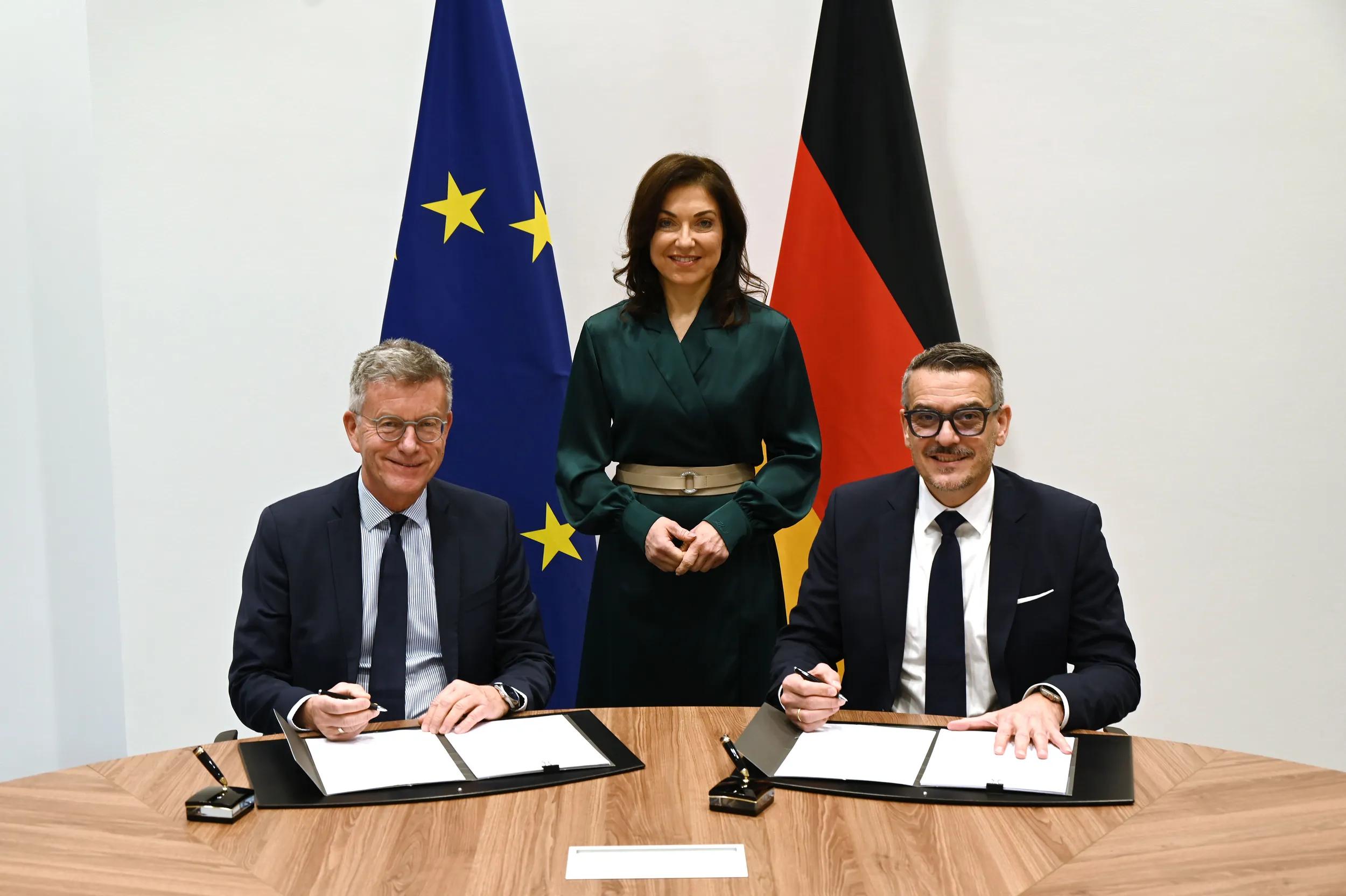
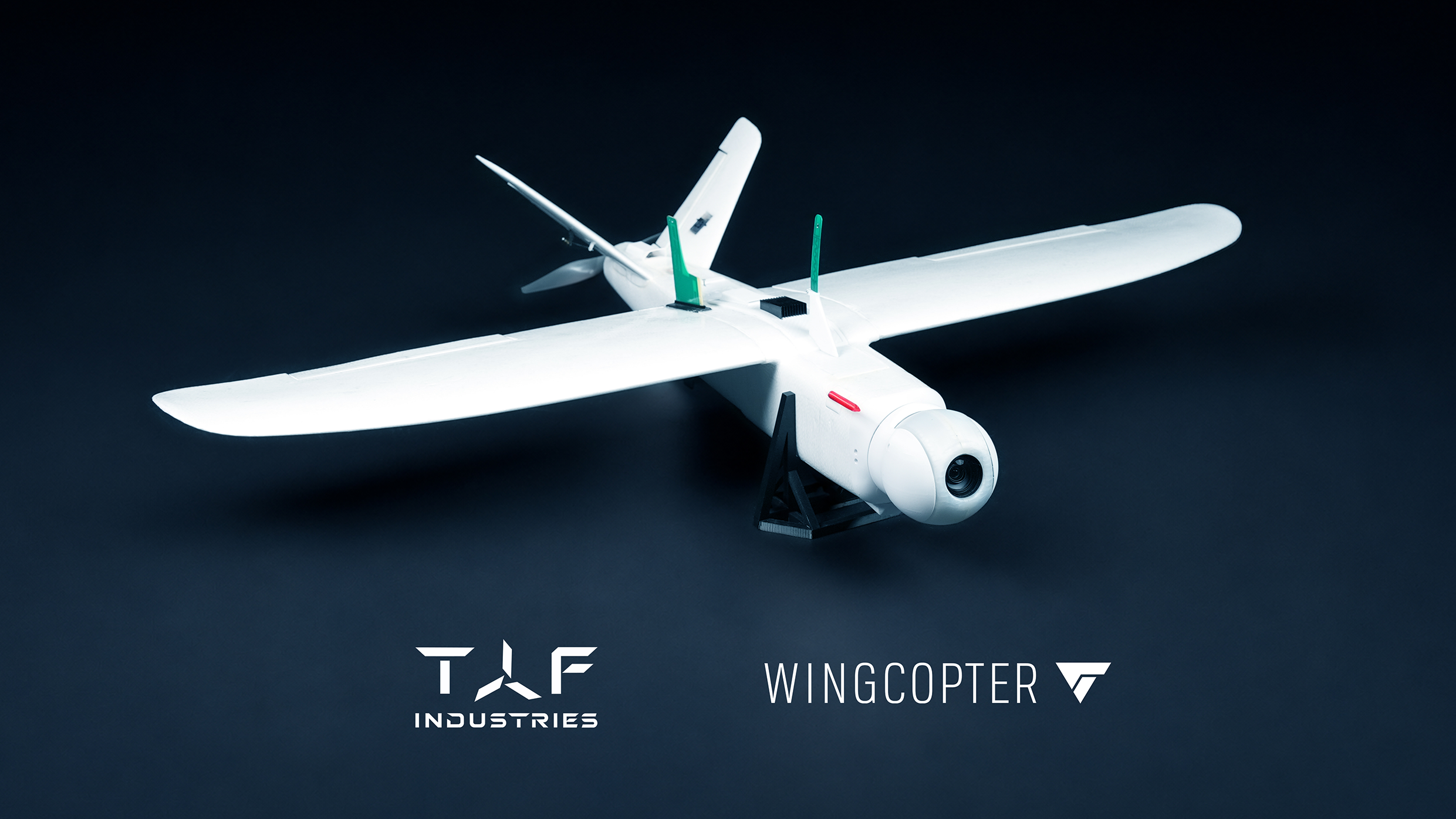
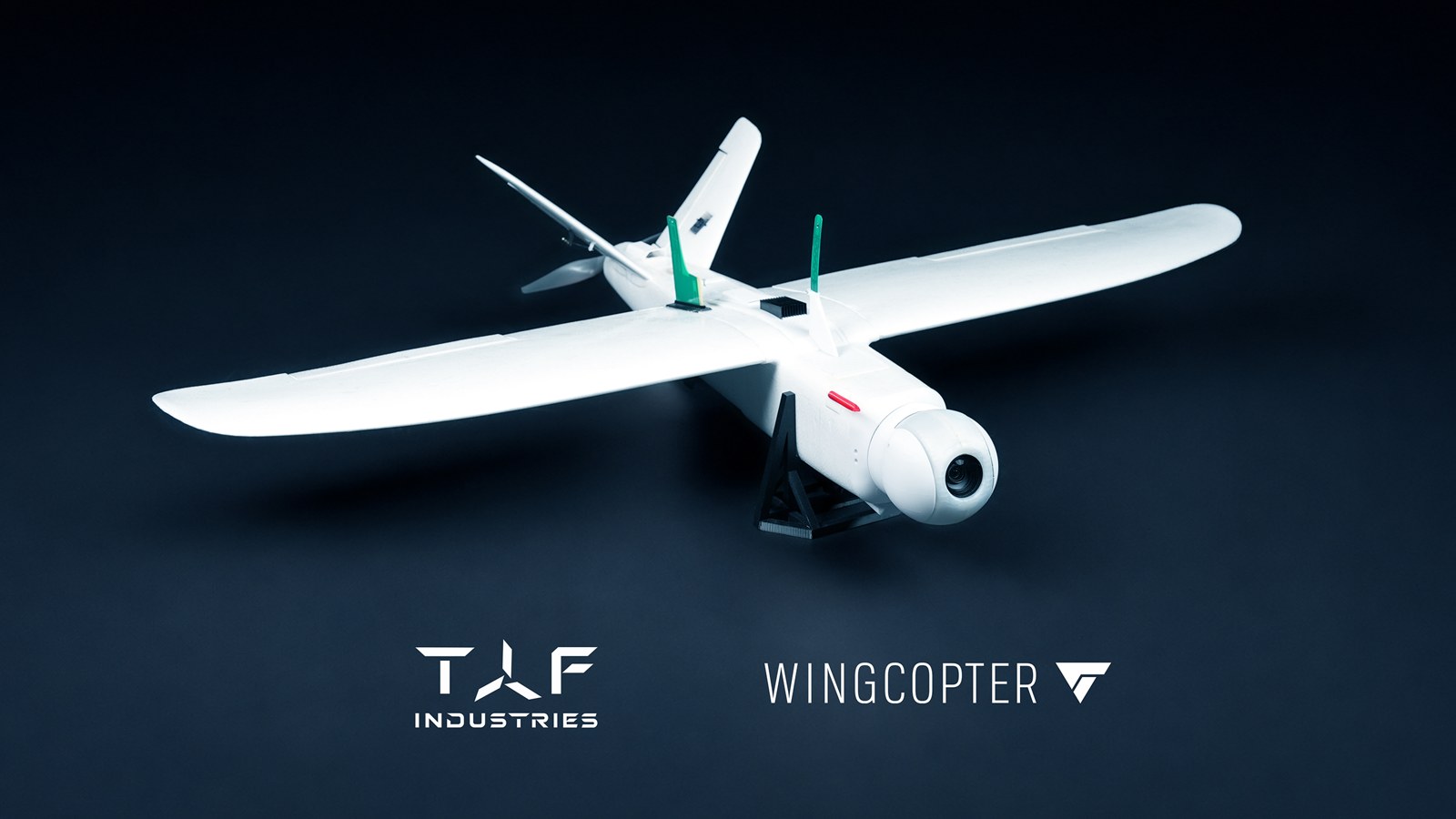
Wingcopter’s November 24 account says Germany will provide approximately €34 million to establish domestic production of the Ukrainian BABKA reconnaissance drone for Ukraine. It identifies a joint venture between TAF Industries, through Shadow Flytech, and Wingcopter Security & Defence. The partners describe BABKA and Wingcopter 262 systems in their intended portfolio. Their statement is a production and funding announcement, rather than a record of completed deliveries under this commitment.
Production capacity needs an acceptance boundary
A production site becomes useful to a military customer when it can deliver the required configuration on terms the receiving organization understands. That includes the aircraft, ground equipment, software and support arrangements. Manufacturing an airframe is one part of the process. Ensuring that a complete system meets its agreed requirement is another, and neither should disappear into a single headline output number.
Reconnaissance also gives the autonomy claim a practical boundary. An aircraft may automate parts of flight while people remain responsible for tasking, interpreting observations and deciding what follows. Useful coverage depends on the whole chain from launch to an authorized user receiving interpretable information. Increased manufacturing capacity can expand that opportunity, but it cannot establish the quality of the resulting intelligence by itself.
The partnership’s cross-border character could help bring operational experience into production decisions. It also creates a need for clear ownership of changes. A field suggestion should become an approved configuration through a traceable process. Otherwise, a fast-moving production programme can accumulate many slightly different systems that are difficult to maintain, train for and compare.
Measure the equipment customers can actually use
The strongest case for the venture is that a defined product and partner relationship can reduce the work required to build a supply chain from scratch. The strongest objection is that a common design does not eliminate shortages, testing bottlenecks or the need for trained operators. These are competing explanations for what additional funding may accomplish, and the delivery record should distinguish them.
Useful evidence would connect contracted quantities with systems accepted, support equipment supplied and teams trained. It should separate planned capacity from actual output and actual output from customer availability. A drone awaiting an essential component is not equivalent to one ready for its approved task. Such distinctions make industrial progress easier to assess without requiring disclosure of sensitive operational information.
The support commitment also needs to evolve with production. Repair turnaround, replacement components and controlled software updates influence how much useful work a fleet can sustain. A low acquisition cost can be attractive while an inconsistent repair process erodes availability. Conversely, a modest initial output with dependable support may provide a stronger basis for scaling than rapid shipments that create a maintenance backlog.
Our assessment is positive about the specificity of the announced commitment. The milestone to watch is accepted delivery from the German production arrangement, followed by evidence of sustained customer use and support. That sequence would show whether the industrial investment is becoming reliable reconnaissance capacity rather than remaining a well-funded production intention.